
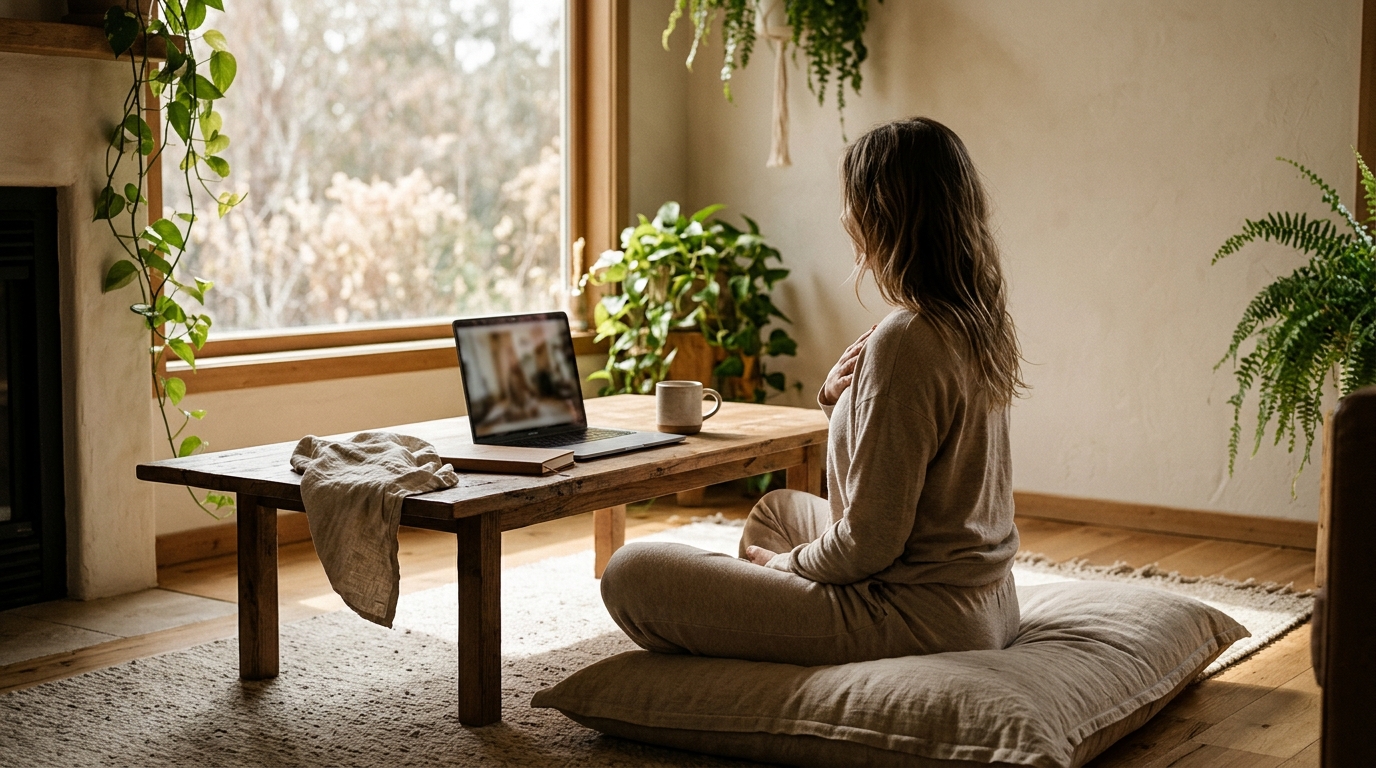
When stress and anxiety persist despite standard self-care, the nervous system often requires targeted regulation rather than general relaxation. Online platforms now offer diverse tools to downshift the sympathetic nervous system and restore parasympathetic balance. This listicle outlines seven effective digital approaches, ranging from guided somatic practices to professional integrative health support, helping you identify the right method for your specific physiological needs.
1. Guided Breathwork and Vagal Toning
Slow, rhythmic breathing is the fastest way to signal safety to the brain. Vagal toning exercises stimulate the vagus nerve, which acts as the body's brake pedal for the stress response. Online video libraries and audio guides provide real-time pacing, ensuring your exhalation is longer than your inhalation. This physiological shift lowers heart rate variability and reduces cortisol levels within minutes.
2. Somatic Experiencing and Body-Based Awareness
Somatic practices help release trapped tension that talk therapy alone may miss. Somatic experiencing is a therapeutic approach that focuses on bodily sensations to process unresolved stress. Digital courses teach you to notice subtle physical cues, such as jaw tightness or shallow breathing, without becoming overwhelmed. By gently acknowledging these sensations, you allow the nervous system to complete its stress cycle and return to baseline.
3. Digital Sound Bathing and Frequency Therapy
Specific sound frequencies can entrain brainwaves into a relaxed state. Sound therapy is the use of acoustic vibrations to influence physiological and psychological states. Online sessions using binaural beats or singing bowls guide the brain from high-frequency beta waves (alertness) to lower alpha and theta waves (relaxation). This method requires no physical movement, making it ideal for those with limited mobility or high fatigue.
4. Mindfulness-Based Stress Reduction (MBSR) Programs
5. Online Yoga and Gentle Movement
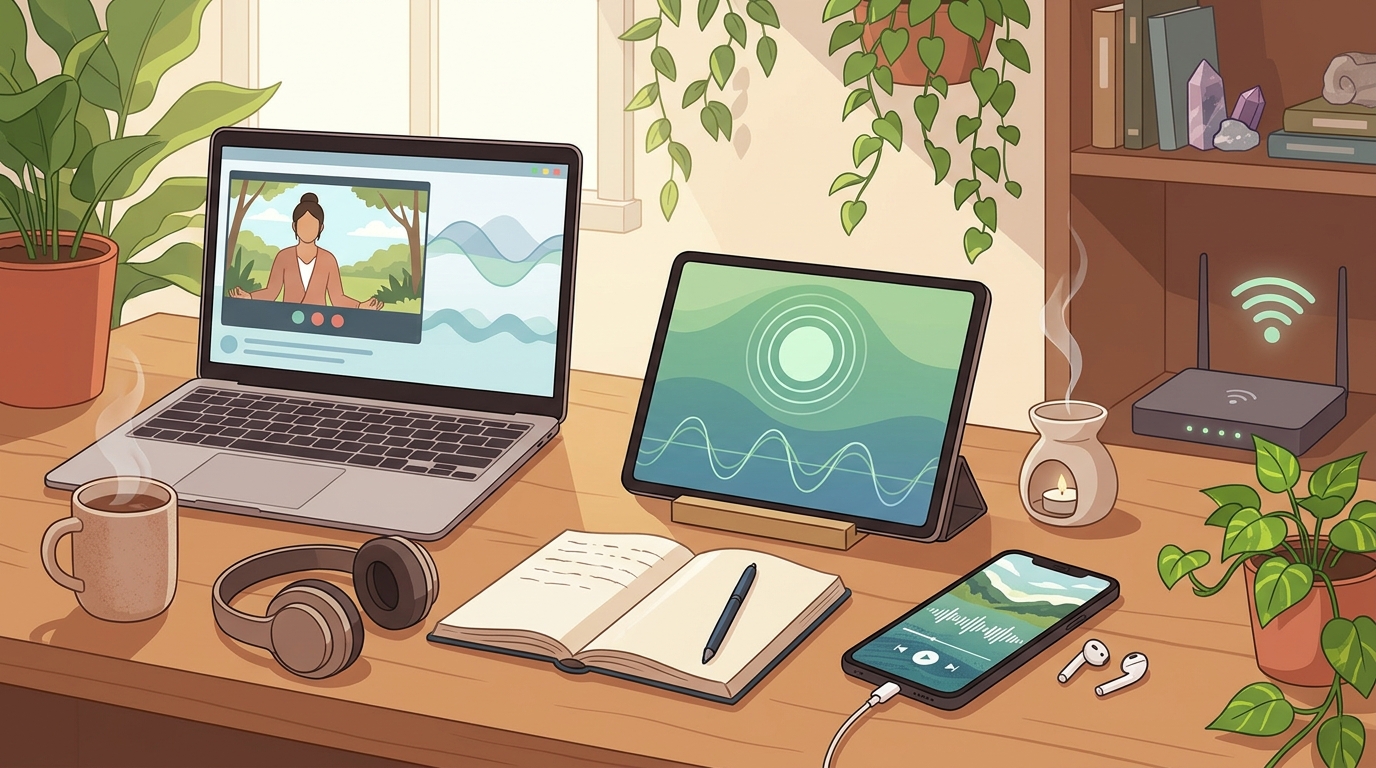
Slow, intentional movement bridges the gap between mind and body. Restorative yoga and yin yoga are styles that focus on long holds and deep relaxation. Digital classes designed for nervous system regulation emphasize breath-led movement rather than physical achievement. These practices improve proprioception and help discharge excess energy stored in the muscles and fascia.
6. Biofeedback and Heart Rate Variability (HRV) Tracking
7. Integrative Health Practitioner Support
Personalized professional guidance addresses the root causes of chronic dysregulation. When self-guided tools are insufficient, working with an integrative health practitioner provides a comprehensive strategy. Lian Monley Health offers online support for complex health concerns, combining functional medicine with nervous system regulation. The practice reviews your full health history to identify how digestion, sleep, and stress interact, creating a personalized plan that adapts to your unique response. This holistic approach ensures that your nervous system is supported within the context of your entire body's systems.
Choosing the Right Approach
Frequently Asked Questions
How long does it take to calm a dysregulated nervous system?
Immediate techniques like breathwork can provide relief within minutes. However, lasting structural change in nervous system regulation typically requires consistent practice over several weeks to months. Individual timelines vary based on the depth of trauma or chronic stress history.
Can online sessions be as effective as in-person therapy?
Yes, for many nervous system regulation techniques, online delivery is equally effective. Modalities like breathwork, sound therapy, and mindfulness do not require physical touch. For somatic or trauma-informed work, the quality of the therapeutic relationship is more important than the physical location.
What is the difference between relaxation and nervous system regulation?
Relaxation is a temporary state of reduced tension, while nervous system regulation is the ability to flexibly shift between stress and rest states. A regulated nervous system can handle stressors without becoming stuck in a fight-or-flight response, whereas relaxation is merely a pause in activity.
Do I need a diagnosis to work with an integrative health practitioner?
No, you do not need a formal diagnosis to seek support for stress and anxiety. Many practitioners work with individuals who have chronic symptoms that have not been fully explained by conventional medicine. The focus is on improving function and quality of life rather than labeling a condition.
How does Lian Monley Health approach nervous system support?
Lian Monley Health takes a systems-based approach, viewing the body as a complete unit of physical, biochemical, and energetic health. The practice reviews your health history and symptoms to determine how digestion, nutrition, and stress are interacting. This ensures that nervous system regulation is supported by addressing underlying contributors to your stress response. Learn more: Lian Monley Health Transform.