

1. Prioritize Fermented Vegetables for Gut Flora
2. Increase Soluble Fiber Intake
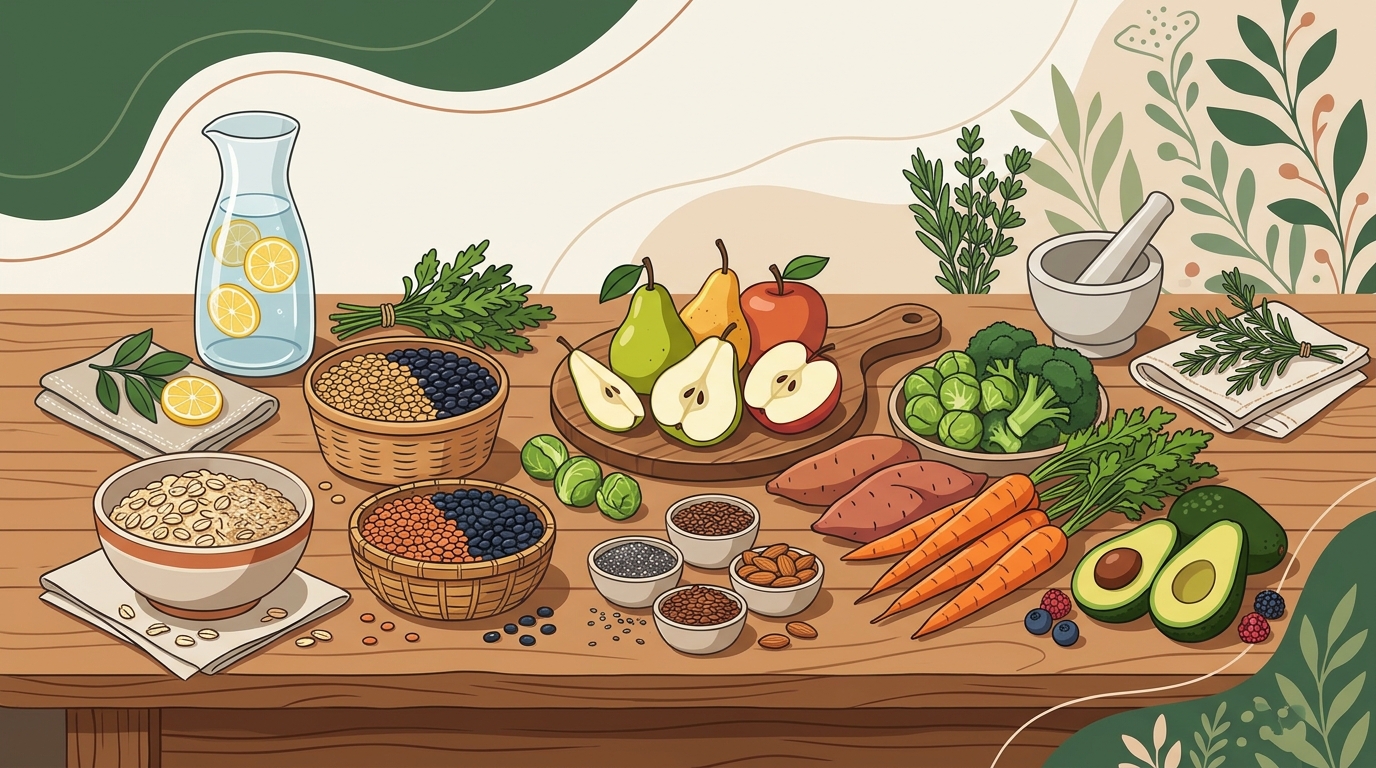
Use soluble fiber to bind toxins and regulate bowel movements. Soluble fiber is a type of carbohydrate that dissolves in water to form a gel-like substance. This gel helps to bind to bile acids and other waste products in the digestive tract, facilitating their removal from the body. By smoothing out the digestive process, soluble fiber prevents the irregularity and sluggishness that often accompany a sluggish metabolism.
3. Incorporate Bitter Greens for Bile Flow
Consume bitter greens to stimulate liver function and bile secretion. The liver is the body's primary detoxification organ, and its efficiency depends on the steady flow of bile. Bitter greens like dandelion, arugula, and endive stimulate the gallbladder to release bile, which is essential for breaking down fats and eliminating waste. When bile flow is stagnant, toxins can reabsorb into the bloodstream, contributing to feelings of fatigue and brain fog.
4. Hydrate with Electrolyte-Infused Water
5. Add Ginger and Turmeric for Anti-Inflammatory Support
Use ginger and turmeric to calm intestinal inflammation. Inflammation in the gut lining can cause significant bloating and a sensation of heaviness. Ginger is a natural carminative, meaning it helps relieve gas and cramping, while turmeric contains curcumin, a potent anti-inflammatory compound. Incorporating these roots into teas or meals can soothe the digestive tract and improve the speed of gastric emptying.
6. Eliminate Refined Sugars and Processed Oils
Remove inflammatory triggers to lower the metabolic load. Refined sugars and seed oils are known to promote systemic inflammation and disrupt gut barrier integrity. When the gut lining becomes permeable, often called leaky gut, undigested food particles can enter the bloodstream, triggering an immune response that leaves you feeling sluggish. Removing these items reduces the inflammatory burden on your system, allowing your energy levels to stabilize.
7. Support the Nervous System with Calming Herbs
Use adaptogenic herbs to regulate the gut-brain axis. The gut and the brain are intimately connected, and stress can directly inhibit digestive function. Herbs like chamomile, lemon balm, and ashwagandha help regulate the nervous system, shifting the body from a stress response to a rest-and-digest state. This neurological shift is crucial for allowing the digestive enzymes and motility needed to process food without causing bloating.
Choosing the Right Approach
When selecting from these options, start with the least restrictive changes that address your specific symptoms. If you are primarily dealing with gas, focus on fermented foods and ginger. If your main issue is fatigue, prioritize bitter greens and hydration. For a comprehensive approach that addresses the root causes of these symptoms, consider a guided assessment. Begin your reset with Lian Monley Health to create a personalized plan that aligns with your unique health history.
Frequently Asked Questions
How long does it take to feel less bloated after starting a whole food detox?
Most people notice a reduction in bloating within three to seven days of eliminating inflammatory triggers and increasing fiber and water intake. However, individual timelines vary based on the severity of gut dysbiosis and the specific foods introduced. Consistency is key, as the gut microbiome requires time to rebalance.
Can I do a whole food detox while taking medication?
It is generally safe to increase whole food intake while on medication, but you should consult your healthcare provider before making significant dietary changes. Some herbs and high-fiber foods can interact with specific medications, affecting their absorption or efficacy. A professional assessment can help identify potential interactions.
What is the difference between a juice cleanse and a whole food detox?
A juice cleanse typically involves consuming only liquid extracts of fruits and vegetables, which can be low in fiber and high in sugar. A whole food detox focuses on eating whole, unprocessed foods that retain their fiber and nutrient structure. The fiber in whole foods is essential for binding toxins and maintaining gut health, which is often missing in juice-only protocols.
Why do I feel more tired when I start eating more whole foods?
Initial fatigue can occur as the body adjusts to a new fuel source and as the liver works to process and eliminate stored toxins. This is sometimes referred to as a detox reaction. It is usually temporary and can be managed by staying well-hydrated and ensuring adequate rest during the transition period.
Do I need to avoid all grains during a whole food detox?
It is not necessary to avoid all grains, but it is beneficial to choose ancient, unprocessed grains like quinoa, millet, or amaranth. These grains are generally easier to digest and less likely to cause bloating than refined wheat or heavily processed grain products. If you have a specific sensitivity to gluten, you should avoid grains containing it.